Real Vs Fake Kashmiri Saffron: 7 Checks Every Buyer Should Know
How to Spot Fake Saffron: A Kashmiri Buyer’s Guide
By: Kashmir Store | October 2026
Kashmiri saffron is among the most expensive spices in the world, which makes it a target for fakes. Here are the checks that work, what they can and can’t prove, and how to buy with confidence.
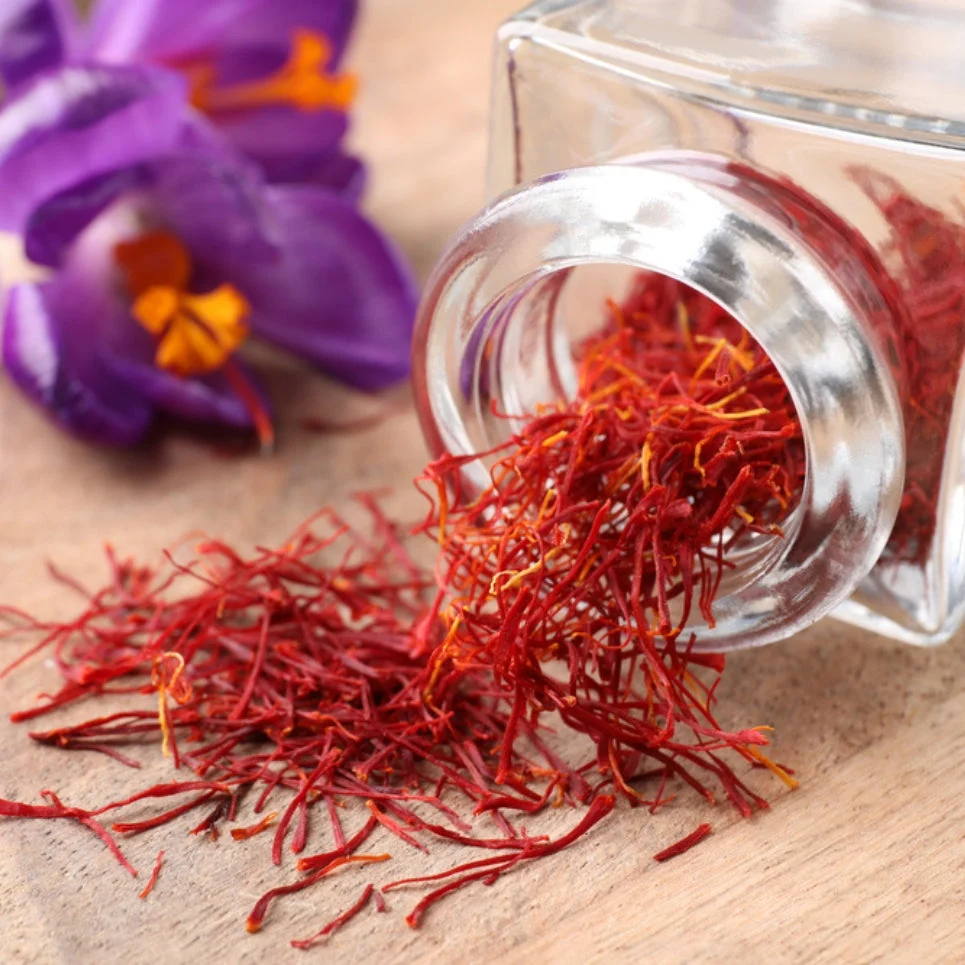
Kashmiri saffron, known locally as kong posh, is prized for its deep colour, strong aroma and flavour. That reputation, and the price that goes with it, is exactly why it gets copied. Powdered saffron is more at risk than whole threads, and is vulnerable to adulteration with turmeric, paprika, salt or synthetic dyes. India’s food regulator, FSSAI, has also warned that saffron can be adulterated with dried maize cob.
The checks below start with the simplest and end with the most reliable.
Also Read | Kashmir Christmas Gifts 2026: Papier-Mâché, Crewel Décor, Pashmina & New Year Gift Hampers
1. Look at the thread: colour and shape
Colour. Genuine threads are deep red. A slightly lighter orange or yellow section at the thin end is not automatically a warning sign. The premium Mongra grade has only the dark red tips, while Lacha keeps the pale yellow style attached. Lacha is still genuine Kashmiri saffron, just a lower grade. Be careful with threads that are a uniform, unnaturally bright red or orange.
Shape. Real threads flare into a trumpet at one end and are irregular in shape, while fakes tend to be uniform straight strips. Perfectly even threads that look like coloured fibres deserve suspicion.
2. Smell and taste
Real saffron smells sweet and faintly medicinal, like hay with honey behind it, and tastes bitter, never sweet. An aggressively sweet or artificial-fruit smell, or no aroma at all, is a sign you’re not holding real saffron.
3. The water test
This is the most useful check you can do at home.
- Drop a few threads into a clear glass of water.
- Leave them alone for 10 to 15 minutes without stirring.
- Watch both the water and the threads.
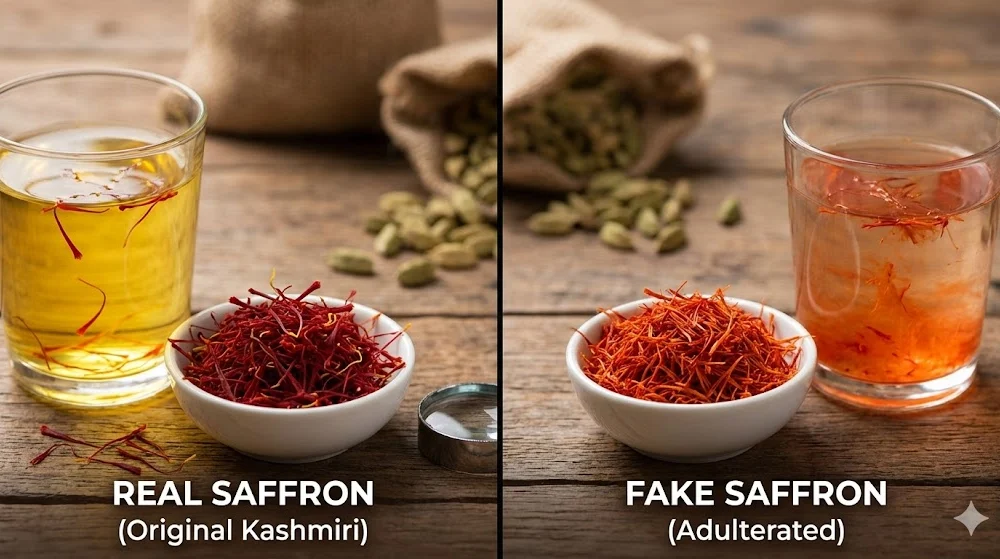
What real saffron does: It releases a golden-yellow colour slowly, and the threads keep their crimson colour.
What dyed saffron does: It bleeds colour almost instantly, and the threads turn pale or white within minutes.
Water temperature varies by source. FSSAI’s version uses hot water at 70 to 80 degrees Celsius, while many guides use cold or room-temperature water. The pattern to look for is the same: gradual colour from genuine threads, instant red or orange from fakes.
One caution: Instant colour is not an automatic failure, because broken or finely cut genuine threads have more surface area and can release colour quickly. Judge the whole picture, not one result.
4. Two quick backup checks
- Rub test. Rub a moist thread between your fingers. Real saffron leaves a golden-yellow stain on the skin.
- Paper test. Real saffron leaves a soft, feathered golden-yellow mark around the thread, while fake saffron leaves a sharp red or orange ring.
5. Buy whole threads, not powder
Powder hides everything the checks above rely on. Whole threads let you inspect shape, colour and release. If you can’t see the product, you can’t test it.
6. Ask for the GI tag and the lab report
Kashmiri saffron received its Geographical Indication tag in 2020. The tag legally ties the name to the region, so ask the seller about it. But a label alone proves little. Reputable sellers provide ISO 3632 grading certificates, origin documentation and harvest dates. ISO guidelines are the international standard for certifying saffron quality, covering aroma, flavour and colour strength.
7. Be sceptical of low prices
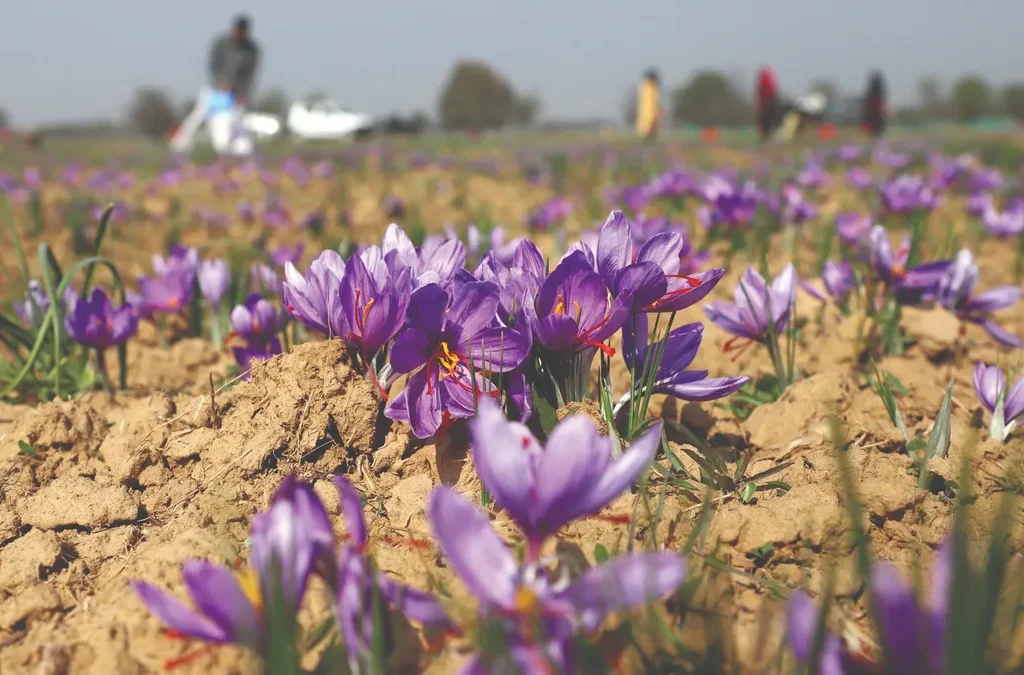
Saffron takes enormous labour to produce. It can take up to 150,000 flowers to make one kilogram, and every flower is picked by hand. A price far below the market is a reason to ask questions, not a bargain.
Also Read | Fresh Kashmir Chestnuts Have Arrived! Discover the Seasonal Delicacy Before It’s Gone
Real versus fake at a glance
| Check | Real Kashmiri saffron | Suspect saffron |
|---|---|---|
| Thread | Deep red, trumpet-shaped end, irregular | Uniform, straight, unnaturally bright |
| Smell | Hay and honey, faintly medicinal | Overly sweet, artificial or none |
| Taste | Bitter | Sweet |
| Water | Slow golden colour, threads stay red | Instant red or orange, threads turn pale |
| Form | Whole threads | Powder or capsules |
| Paperwork | GI tag, test report, harvest details | None, or vague claims |
Home tests have limits
These checks catch obvious fakes. They cannot prove purity or grade. For high-value purchases, only a laboratory test under ISO 3632 gives a reliable answer. Use the home tests as a screen, and the paperwork as proof.
Where to buy
Buy from growers or sellers who can tell you where the saffron was grown, which grade it is, and when it was harvested. Ask for documentation before you pay. Keep in mind that the fresh crop takes weeks to dry and reach the market, usually from late November into December.
Also Read | Top Kashmiri Products Every Home Should Have: Saffron, Pashmina, Crewel & More
Frequently asked questions
How can I tell if saffron is real?
Check the thread shape and colour, smell it, taste a thread, and run the water test. Then check for a GI tag and a lab report.
Does real saffron colour your fingers?
Yes. A moist thread usually leaves a yellow-orange stain. A red stain suggests dye.
Is saffron powder safe to buy?
It is riskier, because powder is easier to adulterate and harder to inspect. Whole threads are the safer choice.
Is Lacha saffron fake?
No. Lacha is genuine saffron that keeps the yellow style, so it gives less colour per gram than Mongra.
What is the GI tag?
A legal certification that links the name “Kashmiri saffron” to saffron grown in the region.
Why is Kashmiri saffron so expensive?
It is picked and processed by hand, the bloom lasts only a few weeks, and it takes up to 150,000 flowers to make a kilogram.
Can a home test prove my saffron is Kashmiri?
No. Home tests can show whether saffron looks genuine. Origin and grade need documentation and lab testing.
When is the new crop available?
Typically late November to December, after drying.
Remember: Real saffron turns water golden-yellow while the threads stay red. If the water turns red at once, the colour was added.
Order now and get it delivered at your door step. Call us at – +91 94697 24 365.